
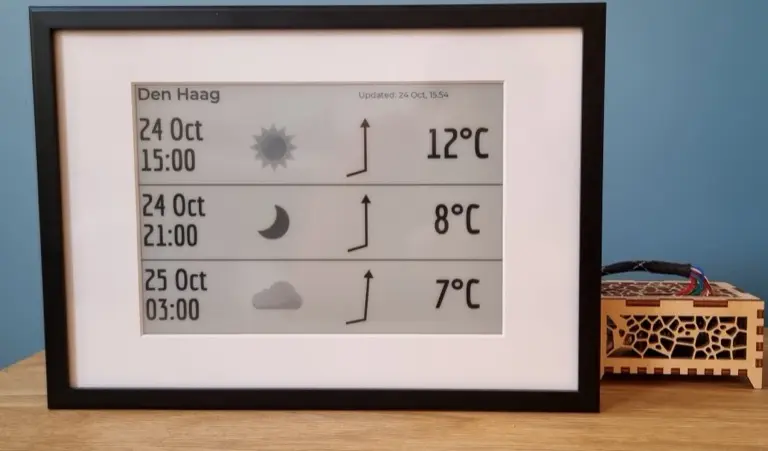
PaperPi: A Rotating Waveshare E-Paper Information Frame
PaperPi: A Rotating Waveshare E-Paper Information Frame. The repository includes examples for clocks, weather, images and music-related information, and documents broad Waveshare support.
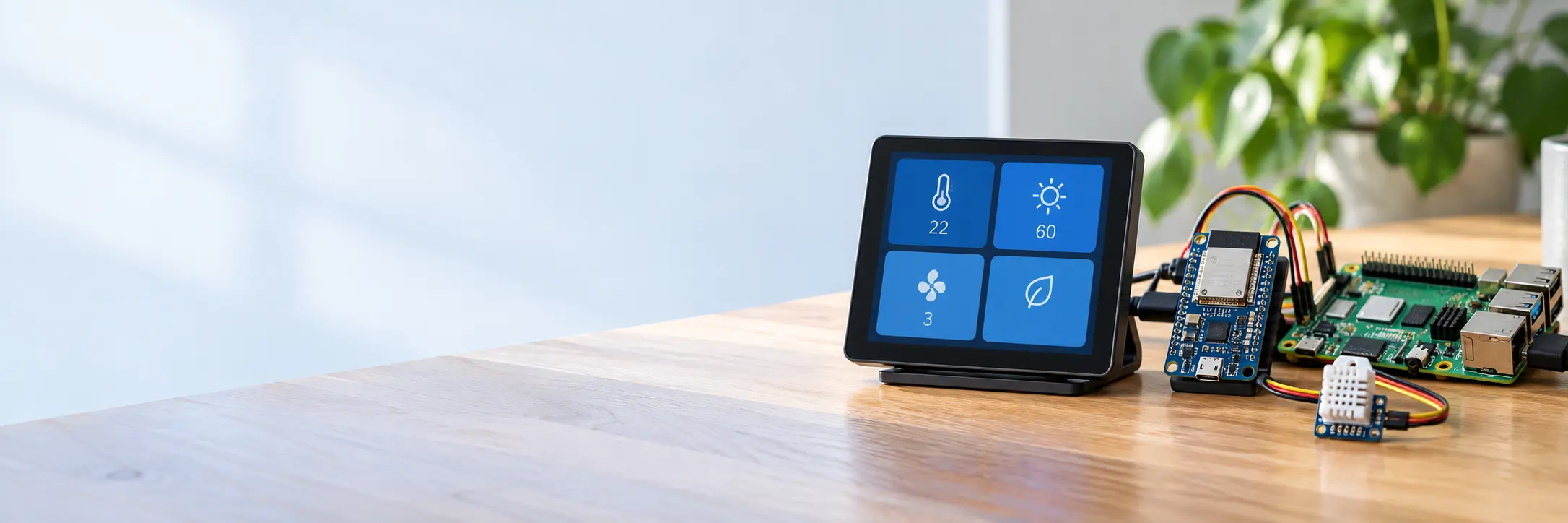
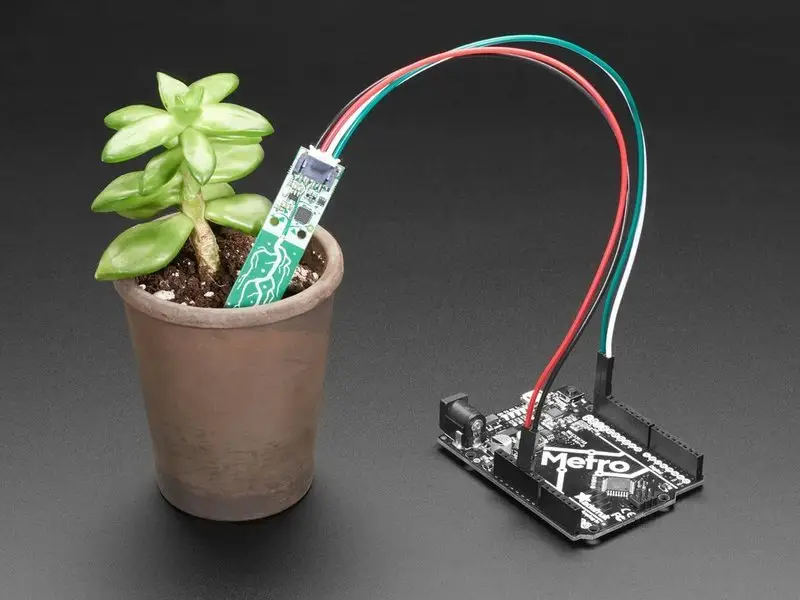
PaperPi: A Rotating Waveshare E-Paper Information Frame. The repository includes examples for clocks, weather, images and music-related information, and documents broad Waveshare support.
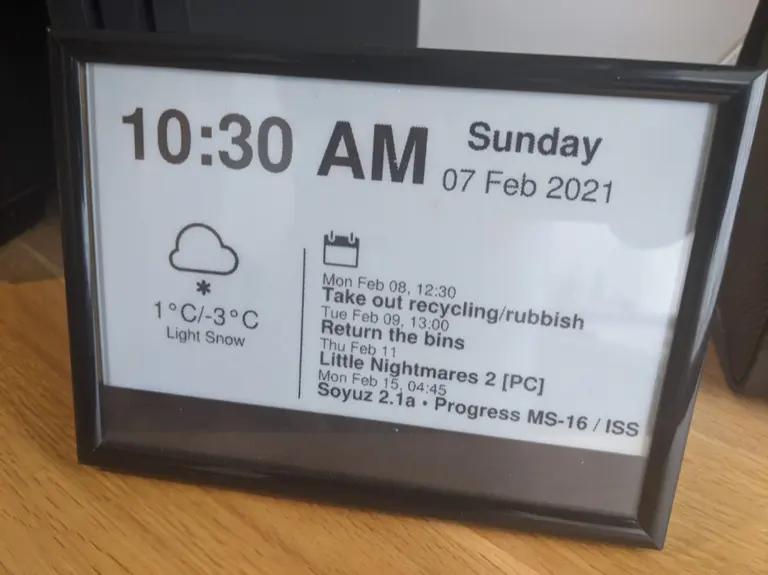
Mendhak E-Paper Dashboard: Weather and Calendar on Raspberry Pi. It combines a clock, weather and calendar information and supports several providers.
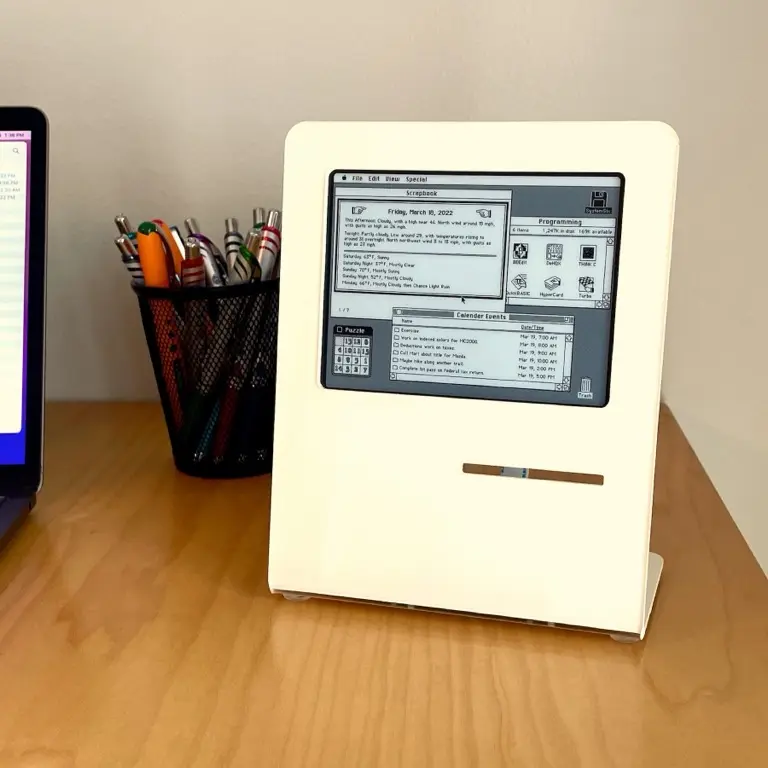
SystemSix: A Macintosh-Inspired Waveshare Desk Calendar. It can show the date, calendar events, weather and moon information on a Waveshare e-paper panel.
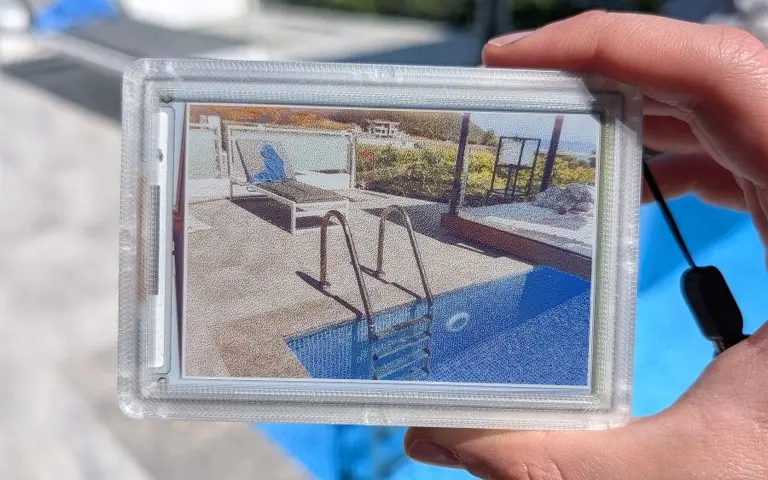
reFrame: Build a Camera with a Waveshare Color E-Paper Screen. The documented open version uses off-the-shelf hardware and can double as a desk frame.
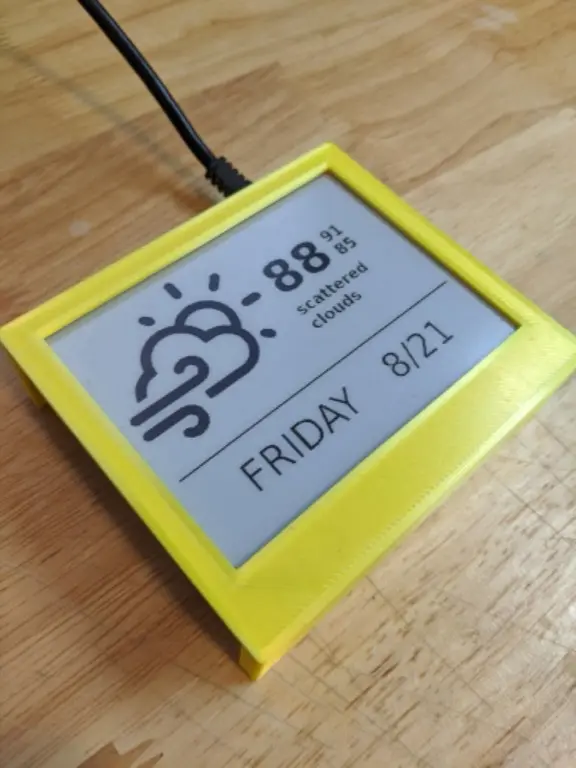
ePaper.js: Render an HTML Dashboard on Waveshare E-Paper. It can render a URL once or refresh it periodically, and its supported-device list includes several Waveshare panels.
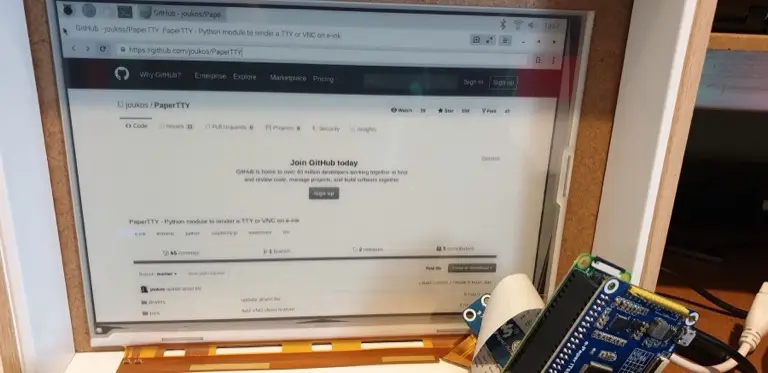
PaperTTY: Put a Raspberry Pi Terminal on E-Paper. Many tested displays are Waveshare models, and the project also documents some IT8951 devices.
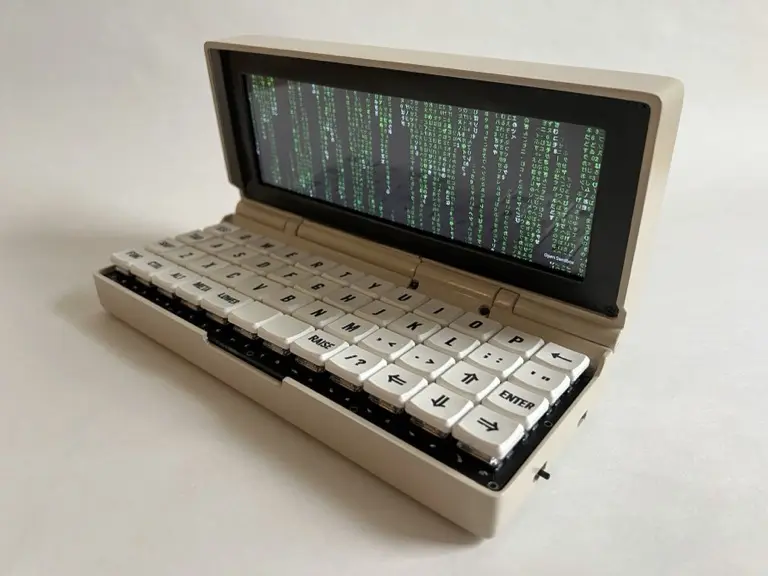
Penkesu: A Raspberry Pi Handheld with a Waveshare Screen. A Raspberry Pi Zero 2 W runs the system, while repurposed Game Boy Advance SP hinges and a flexible HDMI connection keep the folding enclosure compact.
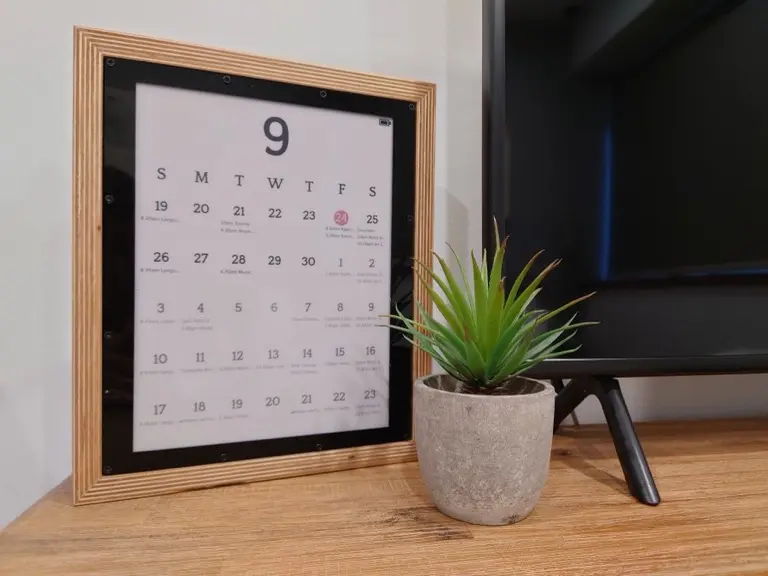
MagInkCal: A Battery-Powered Waveshare Wall Calendar. It retrieves Google Calendar events on a Raspberry Pi Zero, renders a calendar image and updates a Waveshare 12.48-inch three-color display.
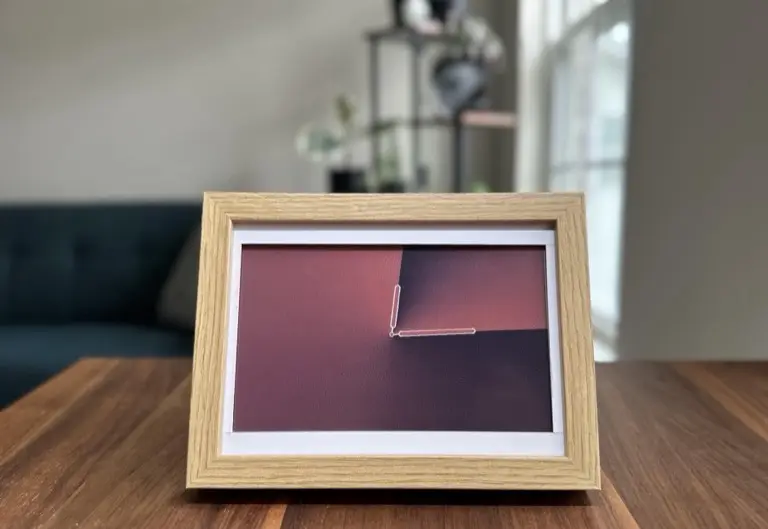
InkyPi: Build a Raspberry Pi E-Paper Dashboard. Its browser interface manages content and scheduled playlists, with plugins for clocks, weather, calendars and images.
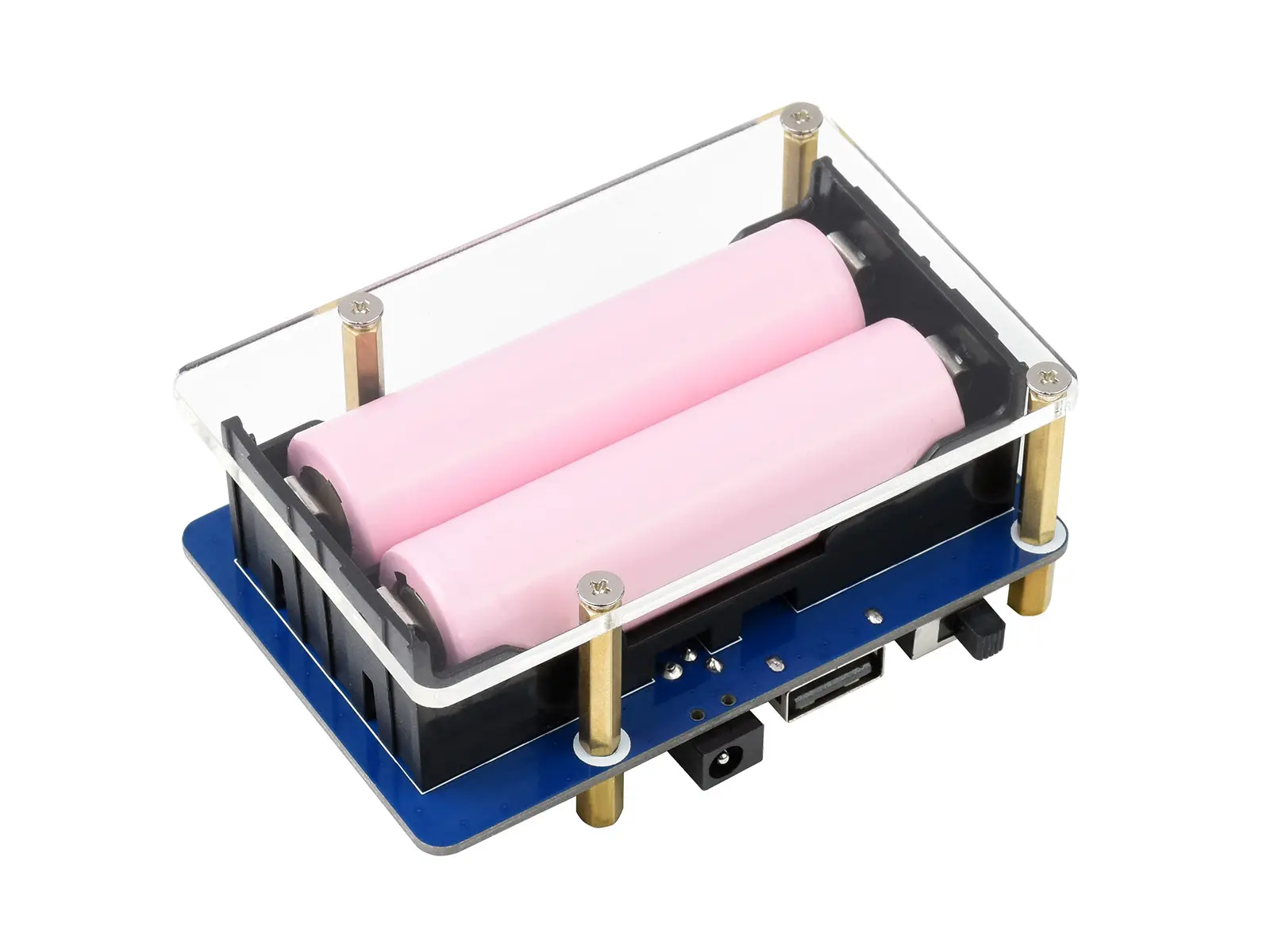
Read battery telemetry and record supply changes before designing an automatic shutdown policy.
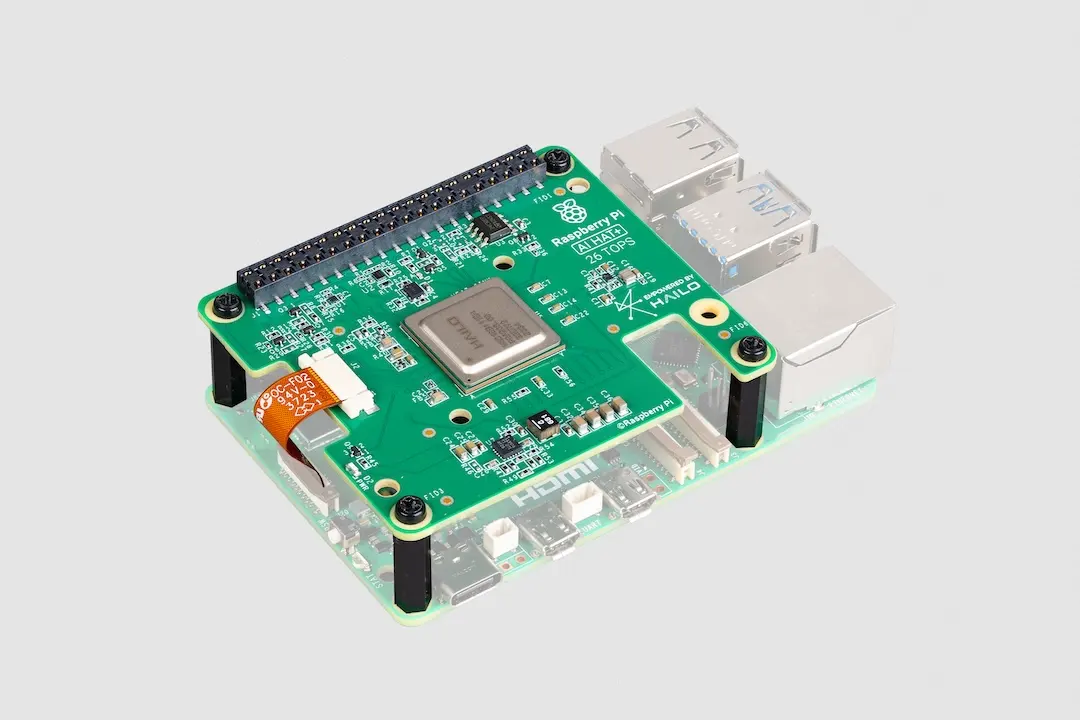
Bring up a supported detection pipeline and evaluate it with a small, repeatable set of scenes.
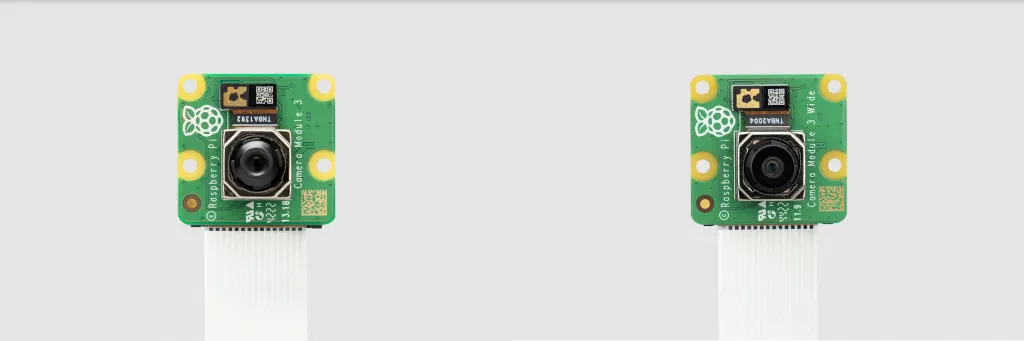
Capture numbered still frames, check them, and only then assemble a time-lapse sequence.